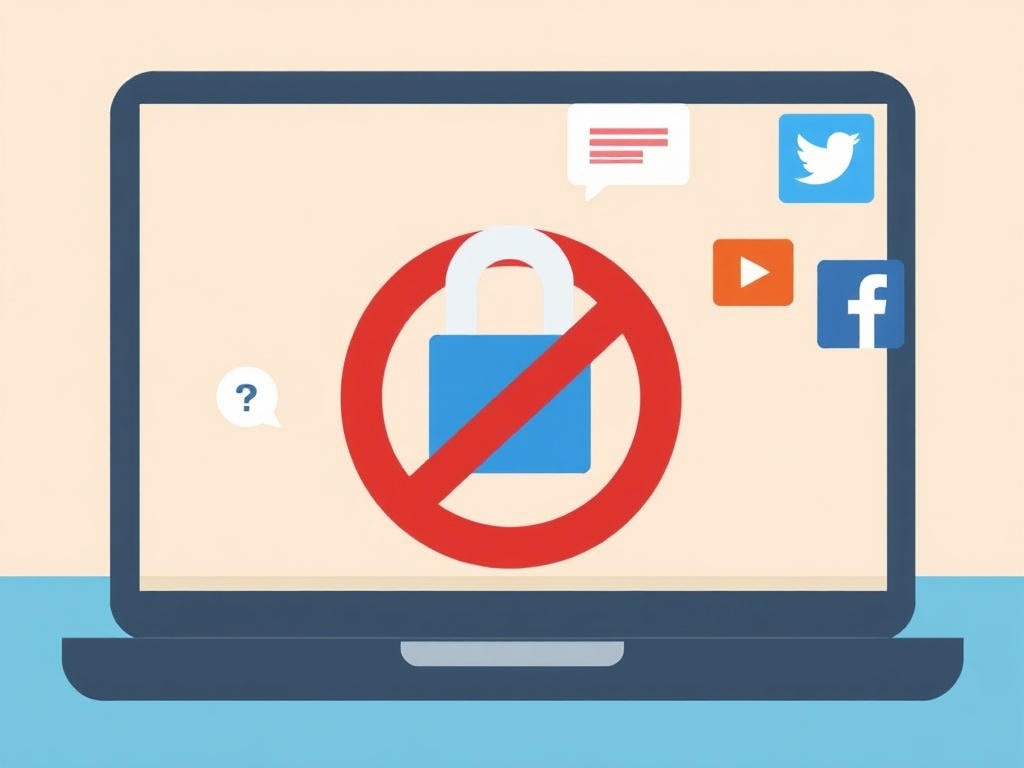

Phishing scams on social media are becoming increasingly sophisticated, making it crucial for you to recognize and protect yourself against these deceptive tactics. Understanding how to identify and avoid these scams can safeguard your personal information and online identity. Here are some effective strategies to help you navigate social media safely.
Be Cautious with Friend Requests
When using social media, always scrutinize friend or follower requests. Scammers often create fake profiles that appear legitimate but are designed to steal your information or engage in malicious activities. Look for:
- Unusual profile pictures that seem generic or too good to be true.
- Profiles with few friends or limited activity.
- Users who join right after you post something personal.
If a user seems suspicious, don’t hesitate to deny their request or block them altogether.
Verify Links Before Clicking
Phishing messages frequently contain links that lead to fraudulent websites. Always hover over a link to see the actual URL before clicking on it. If it looks strange or does not match the organization it claims to represent, do not click on it. A verified source will usually have a secure link, indicated by “https://” rather than just “http://”.
Watch for Unusual Messages
Be wary of messages from friends that seem out of character. Scammers can hack into accounts and send messages asking for personal information or money. If you receive a questionable message:
- Contact your friend directly through a different method to confirm if they sent the message.
- Do not share your personal information, passwords, or financial details in response to such requests.
Enable Two-Factor Authentication
Utilizing two-factor authentication adds an additional layer of security to your accounts. This feature requires not only your password but also a second form of verification, such as a code sent to your mobile device, thus making it harder for hackers to access your account.
Educate Yourself About Phishing Techniques
Familiarizing yourself with common phishing tactics can give you a better understanding of what to look for. Some typical methods include:
- Email messages that mimic a company’s branding but contain poor grammar or spelling errors.
- Urgent requests to verify your account details, claiming your account will be deactivated.
- Promises of free gifts or prizes that require you to input sensitive data.
The more you know about these tactics, the better prepared you’ll be to avoid falling into traps.
Limit the Personal Information You Share
On social media, it’s easy to overshare. Be mindful about the information you post publicly. Avoid sharing details like your full name, address, phone number, or daily routines. Scammers can use this information to tailor their attacks against you.
Keep Your Software Updated
Ensure that your devices and apps are updated regularly. Updates often include security patches that can protect you against the latest threats. Secure your social media accounts by using strong and unique passwords that change periodically to further enhance your security.
Report Suspicious Activity
If you encounter any suspicious profiles or messages, report them to the platform immediately. Social networking sites often have mechanisms in place to deal with phishing attempts and fraudulent activities, and your report can help protect others.
Trust Your Gut
If something feels off, trust your instincts. Be cautious and think critically about the interactions you have on social media. Taking a moment to consider the situation can prevent you from becoming a victim of a phishing scam.
By employing these strategies, you can significantly reduce your risk of falling victim to phishing scams on social media. Staying informed and vigilant is your best defense in the ongoing battle against online fraud.
Recognizing the Common Signs of Phishing Attempts
Phishing scams have become increasingly sophisticated, particularly on social media platforms where users often share personal information and engage with a variety of content. Recognizing the common signs of phishing attempts is crucial for protecting your identity and personal information. Here are some key indicators to watch out for.
Unusual Messages from Friends
Sometimes, your friends’ accounts can be compromised, leading to unexpected messages. If you receive a message that sounds odd or asks for personal information, be cautious. Look for:
- Requests for money or personal details.
- Links to unfamiliar websites.
- Urgent language that pressures you to act quickly.
Suspicious Links and Fake Offers
Phishing attempts often come disguised as enticing offers. Whether it’s a free gift card or an exclusive deal, be wary of links included in these messages. Here are signs to identify them:
- The link directs you to an unfamiliar or misspelled URL.
- It asks for login credentials or sensitive personal information.
- The offer seems too good to be true.
Generic Greetings and Poor Grammar
Many phishing messages are sent in bulk, leading to generic greetings such as “Dear User” instead of using your name. Additionally, look out for:
- Spelling and grammatical mistakes.
- Poorly constructed sentences that seem unprofessional.
- Unusual tone that doesn’t match the sender’s typical communication style.
Fake Profiles or Duplicate Accounts
In many cases, scammers create fake profiles that mimic legitimate accounts. Here’s how to spot them:
- Check the profile picture and background information for inconsistencies.
- Look for a new account created shortly before the communication.
- Review the account’s friend list and posts—do they appear suspicious?
Urgent Account Verification Requests
Be on the lookout for messages claiming to be from social media platforms asking you to verify your account. These often come with a sense of urgency, encouraging you to click a link immediately. Signs include:
- The message urges you to verify your account under a tight deadline.
- The sender’s profile does not match official accounts.
- The link does not lead to the official platform’s website.
Too Many Personal Questions
If someone suddenly takes an interest in your personal life and starts asking invasive questions, it could be a phishing attempt. Be cautious if you find them:
- Asking for sensitive information that isn’t typically shared.
- Trying to gain your trust before asking for personal details.
- Sending unsolicited friend requests to gather information from your profile.
Unsolicited Friend Requests
Receiving friend requests from unknown people can sometimes lead to phishing attempts. It’s essential to verify such requests before accepting them. Here’s what to consider:
- Is the profile new with few friends or no activity?
- Does the profile seem legitimate based on their interactions and posts?
- Have they sent you messages that seem suspicious?
By staying informed about these common signs of phishing attempts, you can better protect yourself against scams on social media. Being vigilant and cautious with your online interactions will help you safeguard your personal information. Always think before you click, and educate others about these signs to create a safer online environment for everyone.
The Role of Privacy Settings in Enhancing Social Media Security
Social media has become a vital part of our daily lives, providing us with a platform to connect and share ideas. However, with the increase in usage comes a heightened risk of privacy breaches and security issues. One effective way to protect yourself on social media is by utilizing privacy settings. These settings are designed to give you control over who sees your information, enhancing your security and reducing the chances of falling victim to scams or hacking.
Understanding Privacy Settings
Privacy settings allow you to adjust the visibility of your profiles, posts, and personal information. Each social media platform has its unique set of options, enabling you to tailor your privacy according to your needs. By familiarizing yourself with these settings, you can bolster your online security significantly.
Key Privacy Settings to Adjust
- Profile Visibility: Most platforms let you choose whether your profile is public, friends-only, or private. Opting for a private profile can significantly enhance your security.
- Post Sharing Controls: You can often set who can see your posts. Limit this to friends or specific groups to minimize exposure.
- Tagging Options: Control who can tag you in photos and posts to reduce the risk of unwanted content sharing.
- Location Settings: Disable location tagging to protect your physical whereabouts from being shared publicly.
- Friend Requests: Adjust your settings to require approval for friend requests, preventing unknown individuals from accessing your profile.
Why Privacy Settings Matter
The importance of privacy settings on social media cannot be overstated. When you adjust these settings, you significantly decrease the likelihood of receiving unsolicited messages or friend requests from strangers. More importantly, you limit access to sensitive information that could be exploited by cybercriminals.
People often underestimate how much personal information they share on social media. From photos to status updates, everything is potentially accessible to the public if not secured appropriately. By taking the time to explore and modify your privacy settings, you can take control of your online presence and protect your data.
Steps to Enhance Your Security through Privacy Settings
Here’s a quick guide to help you navigate and optimize your privacy settings effectively:
- Log into your account and find the settings menu, often represented by a gear icon.
- Select ‘Privacy’ or ‘Security’ from the options available.
- Review each section carefully:
- Update who can see your profile.
- Modify your post sharing settings.
- Check who can send you friend requests.
- Set limits on tagging and location sharing.
- Save your changes and monitor your profile regularly.
Stay Informed
Social media platforms periodically update their privacy policies and settings. Stay informed about these changes to ensure that your security measures are current. Checking in on your privacy settings every few months is a good practice to maintain your online safety.
Additionally, consider following cybersecurity blogs or online forums that discuss the latest threats on social media. Awareness is key in preventing scams and protecting yourself from potential risks.
Recognizing Phishing Attempts
As much as privacy settings enhance security, being vigilant about scams is equally crucial. Phishing attempts on social media often come disguised as legitimate messages or links. Always double-check the source before clicking on links or giving out personal information. Watch for signs like unsolicited messages from unknown users or unusual requests from friends that seem out of character.
Many social media platforms also offer features to report phishing attempts. Use them to help protect not only yourself but others in your network as well.
Taking the proactive step to adjust your privacy settings can safeguard your personal information and enhance your overall security on social media. By being informed and vigilant, you can enjoy the benefits of social media without compromising your safety.
Understanding the Psychology Behind Phishing Scams
Phishing scams have become a significant threat in our digital age, particularly as these deceptive tactics evolve with each passing day. Understanding the psychology behind these scams can empower users to recognize, resist, and report such fraudulent activities. The essence of phishing lies not only in its technical execution but also in the psychological triggers that scammers exploit.
Scammers often use social engineering, manipulating users’ emotions and instincts to achieve their goals. By instilling fear, urgency, or even excitement, phishers create an environment where people may act rashly without assessing the situation properly. Here are key psychological tactics that underpin phishing scams:
- Fear: Phishing emails often employ alarming messages that suggest immediate consequences—such as account suspension or unauthorized charges. When you are made to feel threatened, your instincts can override rational thinking, prompting hasty actions.
- Urgency: Scammers frequently place a time constraint on their messages, compelling you to act quickly. This pressure leaves little room for thought and can lead to mistakes, such as clicking on a malicious link.
- Authority: Many phishing attempts impersonate trusted figures or organizations, from your bank to well-known companies. The authority bias makes you more likely to comply without questioning the legitimacy of the request.
- Curiosity: Catchy subject lines or intriguing content can spark curiosity. A message promising unexpected rewards or enticing news makes it tempting to click without deeper scrutiny.
Understanding these tactics can significantly enhance your defenses against phishing. However, it’s also crucial to recognize the various forms these scams can take. Phishing is no longer limited to just emails; it has expanded to social media, text messages, and even phone calls. Each medium offers different opportunities for scammers, and the psychological traps remain effective across platforms.
For instance, on social media platforms, scammers may create fake accounts that mimic real people, posing as someone familiar to you. They might use information harvested from your profile to gain your trust, making the interaction seem legitimate. You may receive messages asking for personal information or urging you to click on links that redirect you to fake websites.
Another avenue of attack is through spoofed advertisements. These can appear as legitimate promotions from companies you recognize, utilizing similar branding and language. Seeing familiar logos and engaging content can lead to complacency, allowing you to overlook warning signs.
- Recognizing Suspicious Content: Phishing scams often have poor grammar, misspellings, or generic greetings. Trusted organizations usually address you by name and maintain a professional tone.
- Verifying Requests: Always take a moment to verify unusual requests. Instead of clicking links, visit the official website directly to check for notifications or messages.
- Using Two-Factor Authentication: This added layer of security makes it much harder for scammers to gain access to your accounts, even if they manage to steal your password.
Staying informed is your strongest asset against phishing attempts. Regularly educate yourself about evolving phishing tactics. Phishing can also target businesses, where employees may mistakenly provide sensitive information. Therefore, fostering a culture of awareness and vigilance concerning phishing scams is essential.
In addition to education, security software can provide another layer of protection by detecting and blocking malicious websites. Always keep your systems updated, as manufacturers frequently patch vulnerabilities that phishers exploit.
Another critical aspect is the power of community. If you encounter a phishing attempt, report it to the appropriate authorities or social media platforms. By sharing your experiences, you help raise awareness, making it harder for scammers to succeed in their endeavors.
The psychology behind phishing scams is complex yet comprehensible. By being aware of the emotional and behavioral triggers that scammers rely on, you can sharpen your judgment and reduce the likelihood of falling victim to their ploys. Building resilience against phishing requires ongoing education, vigilance, and proactive measures.
Ultimately, the goal is not only to protect yourself but also to cultivate a safer online environment for everyone. By understanding and combating the tactics of phishing scammers, you contribute to a more informed and prepared digital community.
Reporting and Responding to Phishing Scams on Social Platforms
In today’s digital age, social media platforms have become a central hub for communication. However, with the rise of online interactions comes the risk of phishing scams. These scams can trick users into revealing personal information, posing serious threats to your online security. Knowing how to report and respond to phishing scams on social platforms is essential for protecting yourself and others.
Recognizing Phishing Scams
The first step in combating phishing scams is to recognize them. Scammers often create fake profiles or send messages that appear to be from trusted sources. Here are some common signs of phishing:
- Unusual Links: If a link seems odd or doesn’t match the sender’s profile, avoid clicking it.
- Urgent Language: Scammers often create a sense of urgency, urging you to act quickly.
- Misspellings: Many phishing attempts contain spelling errors or awkward phrasing.
- Requests for Personal Information: Legitimate companies will never ask for sensitive information via direct messages.
- Generic Greetings: Scammers often use vague greetings like “Dear User” instead of your name.
How to Report Phishing Scams
If you encounter a phishing scam, it’s crucial to report it to help protect yourself and other users. Most social media platforms have specific processes for reporting suspicious activities. Here’s how you can do it:
- Facebook: Click on the three dots in the upper right corner of the post or message and select “Report.” Follow the prompts to provide details.
- Twitter: Click on the down arrow on the tweet, select “Report Tweet,” and choose the option that best describes the issue.
- Instagram: Tap on the three-dots icon in the upper right corner of the post and select “Report.” You can specify if it’s a scam.
- LinkedIn: Click on the three dots beside the message and choose “Report Spam.” You will have options for describing the issue further.
Reporting is important because it can lead to the removal of the scammer’s account, protecting potential victims from falling prey to their tactics.
Responding to Phishing Attempts
Reacting to phishing attempts can be just as important as reporting them. Here’s how you can respond effectively:
- Do Not Click Links: If you receive a suspicious message, never click on any links before verifying the sender’s identity.
- Notify Friends: If you receive a phishing message that appears to come from a friend, notify them through an alternative channel to warn them.
- Update Passwords: If you suspect that your account may have been targeted, change your password immediately to keep your information safe.
- Enable Two-Factor Authentication: Adding an extra layer of security can prevent unauthorized access to your accounts.
- Delete Messages: After reporting, delete any suspicious messages from your inbox to prevent accidental clicks.
Staying Vigilant
After responding to and reporting phishing scams, it’s essential to remain vigilant. Regularly check your privacy settings and review the permissions granted to third-party apps on your accounts. Familiarize yourself with the types of communications you typically receive from your contacts and official sources. This awareness can help you identify abnormalities in future interactions.
In addition, consider educating yourself and your social circle about phishing tactics. Share useful information with friends and family, so they become more aware of potential scams as well. A well-informed community can make it harder for scammers to succeed.
Staying safe from phishing scams on social media is all about awareness and quick action. By recognizing phishing attempts, reporting them effectively, and responding appropriately, you can protect both yourself and the broader online community.
Conclusion
The fight against phishing scams on social media is one that requires your active participation and vigilance. By implementing effective strategies, you can significantly reduce your risk of falling victim to these deceptive tactics. Recognizing common signs of phishing attempts—such as unusual messages, strange links, or requests for personal information—empowers you to stay one step ahead of scammers.
Adjusting your privacy settings is another crucial aspect of enhancing security on social media. By controlling who can view your profiles and posts, you limit the potential audience for phishing attempts. Understanding the psychology behind these scams also provides valuable insight; scammers often exploit emotions like fear, urgency, or curiosity to manipulate you into compliance.
Knowing how to report and respond to phishing attempts can help protect not only yourself but also your friends and followers. When you take action against these scams, you contribute to a safer online environment for everyone. Remember, staying informed and cautious is your best defense. By applying these strategies, you can enjoy social media while minimizing your chances of becoming a victim of phishing scams. Empower yourself with knowledge, secure your accounts, and connect with others safely!